
Why Government Approvals Matter in Construction Chemicals: MHADA, NHAI & MSRDC Explained
Why Concrete Cracks, Leaks, or Fails – And How the Right Construction Chemicals Prevent It
December 19, 2025
Why Concrete Cracks, Leaks, or Fails – And How the Right Construction Chemicals Prevent It
You’ve seen them everywhere: zigzag cracks running across building walls, water stains spreading on ceilings, or that persistent dampness in your basement. These aren’t just cosmetic problems—they’re signs that something went wrong during construction. But here’s what most people don’t know: most concrete failures are preventable with the right approach from day one.
Let’s break down the mystery of concrete failures in simple terms and discover how modern construction chemicals can prevent these problems before they start.
At Super Concrete Solutions, we’ve learned that successful concrete construction isn’t just about supplying materials. It’s about understanding the unique demands of each project and providing the right technical consultation to prevent problems before they start.
Understanding Concrete: More Than Just a Strong Material
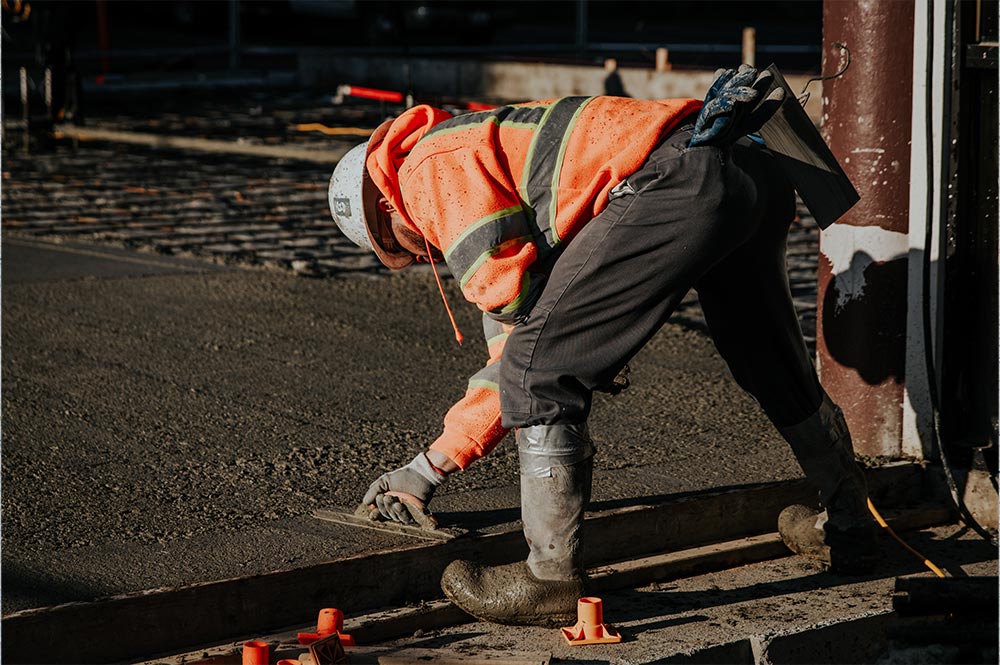
Most people think concrete is just a permanent material that hardens and lasts forever. In reality, concrete is a living, breathing material that undergoes chemical reactions and responds to its environment. Think of fresh concrete like a newborn—it needs proper care, protection, and the right conditions to develop its full strength and durability.
Concrete is made of cement (the glue), water (the activator), sand and gravel (the body), and construction chemicals (the helpers that make everything work better). When these ingredients work together properly, you get strong, durable concrete. When something goes wrong? That’s when problems begin.
Consider a recent high-rise project where contractors experienced repeated pumpability failure at 35 floors. The concrete admixture supplier simply recommended adding more plasticizer—a band-aid solution that addressed symptoms, not causes. The real issue? Improper mix design optimization for high-pressure pumping at extreme heights, combined with ambient temperature fluctuations that weren’t accounted for in the original specification.
This scenario plays out daily across construction sites. Without proper technical support in concrete applications, contractors face:
The Most Common Concrete Problems
- Cracks: The Number One Complaint
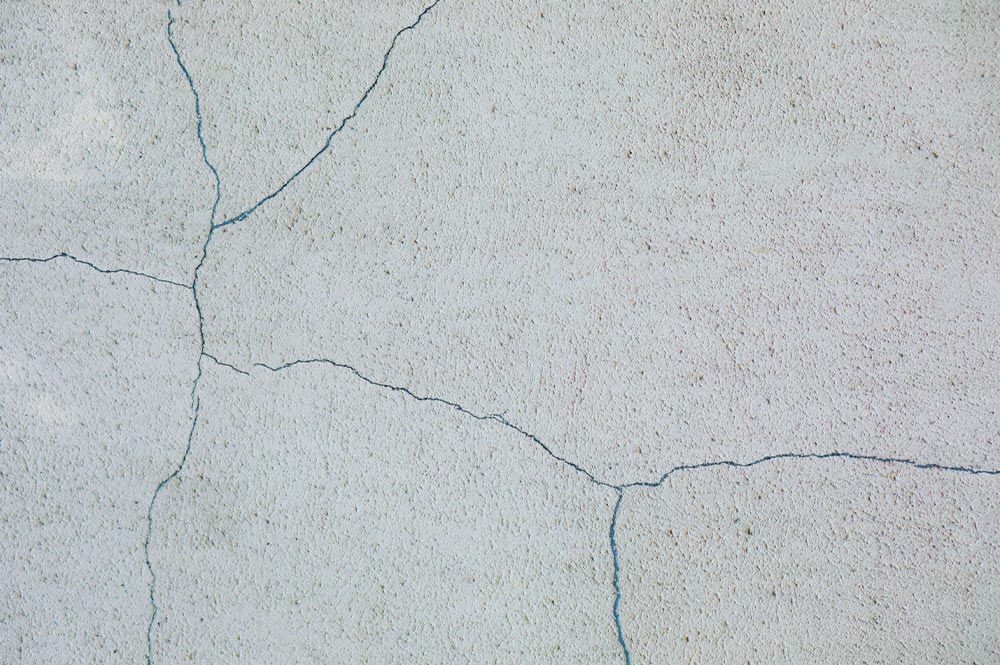
Concrete cracking happens for several reasons, and understanding them is key to prevention.
Plastic Shrinkage Cracks appear within hours after pouring. When water evaporates from the surface faster than it can be replaced, the concrete shrinks and cracks, creating spider-web patterns. This is especially common in hot, windy weather.
Drying Shrinkage Cracks develop over weeks. Concrete contains more water than cement needs for hardening. As this extra water evaporates, concrete shrinks. If it’s attached to foundations or walls and can’t shrink freely, it cracks instead—resulting in those long, straight cracks you see in floors and walls.
Thermal Cracking occurs because cement generates heat when it reacts with water. The inside gets hot and expands while the outside stays cooler, creating stress and cracks. Daily temperature changes also cause expansion and contraction that can crack concrete over time.
- Water Leakage and Seepage
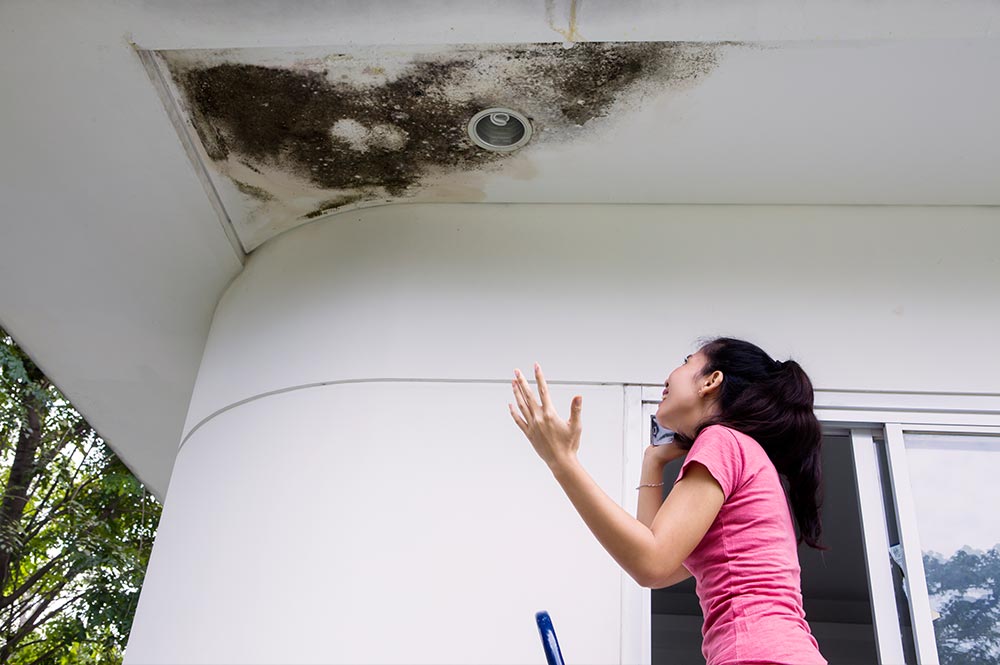
Concrete might look solid, but it’s actually filled with tiny pores—microscopic pathways that water can travel through, especially under pressure. Basements leak because groundwater finds these pathways. Roofs seep because rainwater penetrates porous concrete. Over time, this water doesn’t just cause stains—it carries dissolved salts that attack concrete and corrode steel reinforcement inside, leading to serious structural problems.
- Weak and Crumbling Concrete
Sometimes concrete doesn’t develop proper concrete strength. This happens when too much water was added (every extra liter significantly reduces strength), poor curing allowed it to dry out prematurely, or extreme weather during construction disrupted the hardening process. Weak concrete becomes porous, allowing water and harmful chemicals to penetrate easily, accelerating deterioration.
- Surface Problems
Ever walked on a concrete floor that creates dust with every step? Or seen surfaces flaking off in layers? These concrete surface defects occur when the surface dries too quickly, freeze-thaw cycles break it apart, or poor finishing techniques weaken the top layer.
How Construction Chemicals Prevent These Problems
Modern construction chemicals aren’t just additives—they’re specialized solutions designed to prevent problems before they start.
- Concrete Admixtures: The Problem Solvers
Plasticizers and Superplasticizers reduce the water needed to make concrete workable. They let you use 15-40% less water while keeping concrete easy to pour. The result? Stronger concrete with fewer pores that water can penetrate. Less water also means less shrinkage and fewer cracks.
Shrinkage-Reducing Admixtures specifically target drying shrinkage by reducing the internal stress that develops when concrete dries, cutting shrinkage by up to 50%. For floors and walls where cracks are unacceptable, these provide insurance against shrinkage-induced cracking.
Air-Entraining Agents create millions of tiny air bubbles in concrete. When water freezes inside concrete and expands, these bubbles act as pressure relief valves instead of cracking the concrete. This is essential for freeze-thaw resistance in driveways, roads, and outdoor structures.
Retarders and Accelerators control hardening speed. In hot weather, retarders prevent plastic shrinkage cracks and give workers time to finish properly. In cold weather, accelerators ensure concrete develops strength before freezing temperatures cause damage.
- Waterproofing Solutions: Keeping Water Out
Waterproofing admixtures work from the inside by reducing porosity, blocking capillaries with crystalline formations, and repelling water. Integral waterproofing makes the concrete itself water-resistant—crucial for basement waterproofing, water tanks, and swimming pools.
For existing structures, surface waterproofing compounds provide external protection. Modern crystalline systems penetrate concrete and form crystals that block water pathways, even sealing hairline cracks that develop later.
- Curing Compounds: Protecting Young Concrete
Concrete curing compounds form a membrane on the surface that prevents water from evaporating too quickly. Proper curing is critical because cement needs water to complete its chemical reaction and develop full strength. Without adequate water, concrete stops hardening prematurely, remaining weak and porous.
Studies show that properly cured concrete can be 50% stronger than poorly cured concrete from the identical mix—all because of adequate water retention during the critical first seven days. Spray-applied curing compounds provide consistent protection and work especially well in hot, windy conditions where plastic shrinkage cracking is most likely.
- Specialized Solutions
Corrosion Inhibitors protect steel reinforcement from rust, which expands and cracks concrete. This is essential for concrete durability in coastal areas and structures exposed to de-icing salts.
Bonding Agents ensure repair concrete adheres perfectly to old concrete, preventing patches from failing.
Polymer-Modified Mortars provide enhanced flexibility and waterproofing for bathrooms, terraces, and crack repairs.
- Project specifications and performance requirements
- Environmental conditions (temperature, humidity, exposure)
- Construction methodology (pumping height, placement method)
- Curing conditions and timeline constraints
- Local material characteristics (cement type, aggregate quality)
We don’t offer one-size-fits-all solutions. Instead, our technical team develops customized mix designs that balance workability, strength development, durability, and cost-effectiveness for your specific application.
Prevention Is Better Than Cure
Here’s the key insight: preventing concrete problems costs a fraction of fixing them later. Adding the right construction chemicals during construction might increase material costs by 2-5%, but avoiding repairs, water damage, and structural problems saves many times that amount.
The right approach from day one includes:
During Construction:
- Use plasticizers to reduce water content and increase strength
- Apply shrinkage reducers in slabs and walls prone to cracking
- Incorporate integral waterproofing in water-retaining structures
- Use curing compounds immediately after finishing
- Protect concrete from extreme weather
Long-Term Protection:
- Apply surface sealers to reduce water penetration
- Address small cracks before they grow
- Maintain proper drainage around structures
The Bottom Line: Smart Chemistry Builds Better Structures
Those cracks, leaks, and failures you see aren’t inevitable. They happen when concrete doesn’t get what it needs—the right mix design, proper construction chemicals, adequate curing, and protection during vulnerable early stages.
Modern construction chemicals have transformed concrete from a temperamental material into a reliable building solution. They address root causes of failures rather than just treating symptoms, working at the molecular level to create concrete that’s stronger, more waterproof, and more resistant to cracking.
Whether you’re a homeowner planning construction or a builder looking to improve quality, understanding these principles empowers you to make better decisions. At Super Concrete Solutions, we believe education is the foundation of quality construction. By understanding why concrete fails and how to prevent it, we can build structures that stand strong for generations—crack-free, leak-free, and built to last.
Latest Blogs
Get a Quote Today for Your new project!
Quick Contact

Super Concrete Solutions delivers customized construction chemicals for India’s growing building industry. We have grown into a trusted manufacturer serving builders, contractors, and infrastructure developers nationwide.
© 2025 All rights reserved
- Privacy Policy
- Terms & Conditions